Introduction
Dental veneers are thin covers placed on the front of teeth. They are a popular choice in cosmetic dentistry for improving smiles. Many people ask if dental veneers are right for them. In this blog, you will learn what dental veneers are, their benefits, risks, and the steps involved in the dental veneer procedure. You will also find answers to common questions and tips for aftercare.
What Are Dental Veneers?
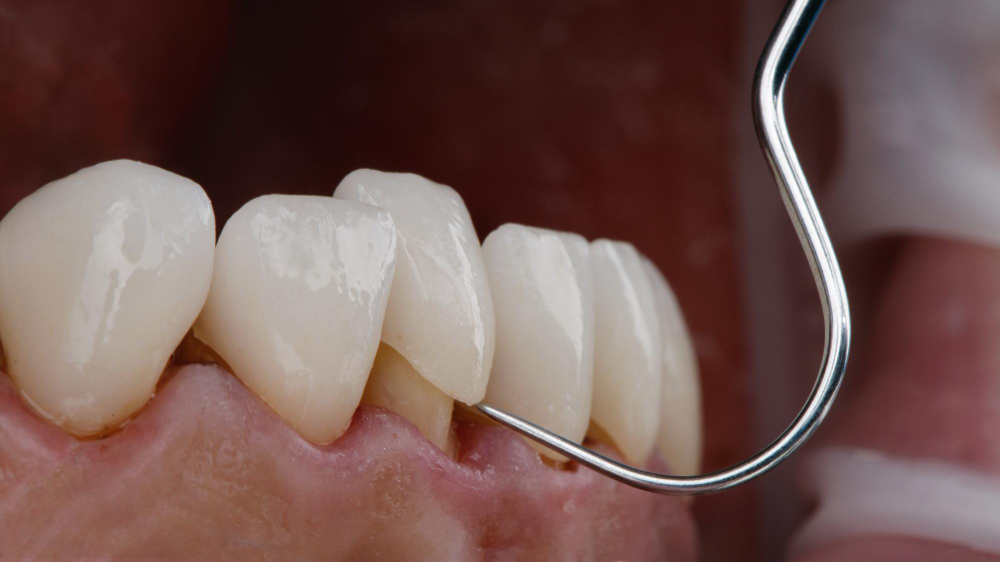
Dental veneers are custom-made shells that cover the front surface of teeth. Usually, they are made from porcelain or resin materials. Because they look like natural teeth, veneers can fix many cosmetic issues. For example, they can help with stains, chips, gaps, or uneven teeth. Most often, porcelain veneers are used because they resist stains and last longer.
Who Is a Good Candidate for Dental Veneers?
Not everyone is a perfect fit for dental veneers. However, you may be a good candidate if you:
On the other hand, people with weak teeth or large fillings may need other treatments. Therefore, it is important to talk to your dentist first.
Benefits of Dental Veneers
Dental veneers offer many advantages. For instance, they can:
Because of these benefits, many people choose veneers as part of their cosmetic dentistry plan.
Potential Risks and Considerations
Although dental veneers are safe, there are some risks to consider. For example:
Therefore, you should discuss these points with your dentist before deciding. According to the American Dental Association, good oral care is key to making veneers last.
The Dental Veneer Procedure: Step-by-Step
The dental veneer procedure usually takes two or three visits. Here is what you can expect:
Because the process is simple, many people find it easy to fit into their schedule.
Aftercare and Longevity
With proper care, dental veneers can last 10 to 15 years. To keep your veneers looking great, follow these tips:
Because veneers are strong, they can handle normal eating and speaking. However, good habits will help them last longer.
Cost and Insurance Considerations
The cost of dental veneers can vary. Usually, porcelain veneers cost more than resin ones. On average, a single veneer can cost between $800 and $2,500. Most dental insurance plans do not cover veneers, as they are considered cosmetic dentistry. However, you should check with your provider. Sometimes, if veneers are needed for medical reasons, part of the cost may be covered.
Frequently Asked Questions
Conclusion
Dental veneers can transform your smile and boost your confidence. However, they are not right for everyone. Because each person’s needs are unique, it is best to consult at Manu Multispeciality Dental Care. They can help you decide if dental veneers are the right choice for your smile and health.