What is Root Canal Treatment?
Root Canal Treatment is a dental procedure that helps save your natural tooth. When the inside of your tooth, called the pulp, gets infected or damaged, this treatment can help. Instead of removing the tooth, your dentist cleans and seals it. As a result, you keep your own tooth and avoid gaps in your smile. Root canal treatment is safe and common. According to the American Association of Endodontists, millions of teeth are saved each year with this method.
Symptoms Indicating You May Need an RCT
Sometimes, tooth pain can signal a deeper problem. If you notice any of these signs, you may need a root canal procedure:
However, not all tooth pain means you need an RCT. Always check with your dentist for the right diagnosis.
Causes Leading to Root Canal Treatment
Many things can damage the inside of your tooth. Here are some common causes that may lead to root canal treatment:
Because these issues can cause infection, treating them early helps save your natural tooth.
How is Root Canal Treatment Performed?
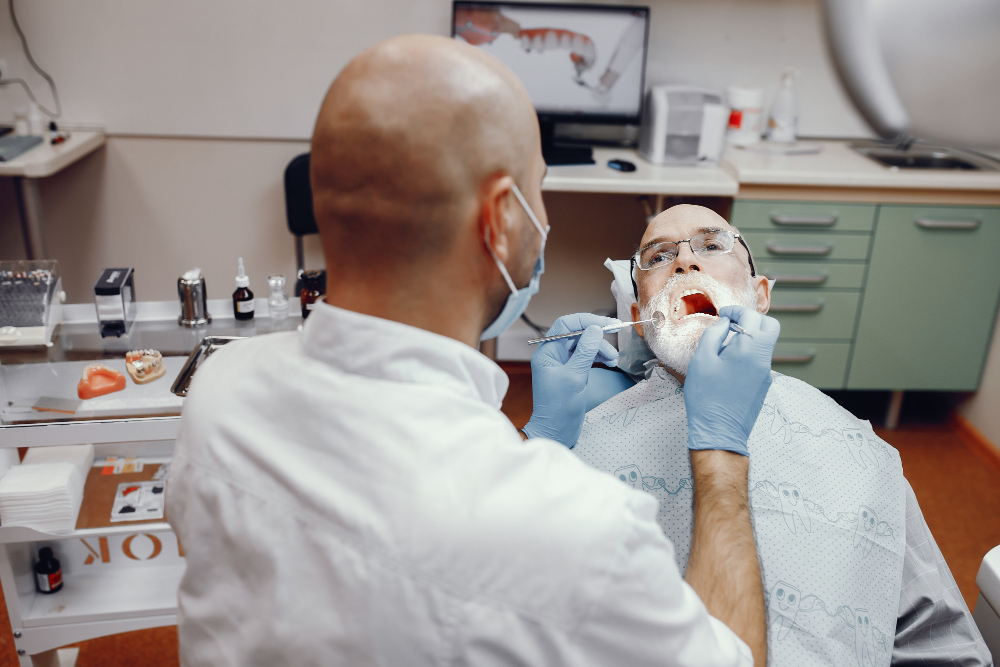
Root canal treatment follows a few simple steps. First, your dentist numbs the area to keep you comfortable. Next, a small opening is made in the tooth. Then, the infected pulp is removed. After that, the inside of the tooth is cleaned and shaped. The space is then filled with a special material. Finally, the tooth is sealed. Sometimes, a crown is placed on top to protect the tooth. Most root canal procedures are done in one or two visits.
Benefits of Saving Your Natural Tooth
Keeping your own tooth has many advantages. For example:
Therefore, root canal treatment is a great way to save your natural tooth and keep your mouth healthy.
Aftercare and Recovery Tips
After your root canal procedure, caring for your tooth is important. Here are some RCT recovery tips:
With proper care, your treated tooth can last as long as your other teeth.
Prevention: How to Avoid Needing an RCT
While root canal treatment is effective, preventing tooth problems is even better. To avoid needing an RCT, try these tips:
Because good habits protect your teeth, you can lower your risk of infection and decay.
Frequently Asked Questions (FAQs)
In summary, root canal treatment is a safe way to save your natural tooth and relieve pain. If you have tooth pain or signs of infection, consult a qualified dentist at Manu Multispeciality dental care for personalized advice on root canal treatment.