What is Full Mouth Rehabilitation?
Full mouth rehabilitation is a dental process that restores all teeth in your mouth. It is also called full mouth reconstruction or dental restoration. This treatment helps people with many dental problems. For example, it can fix broken, worn, or missing teeth. Because it improves both function and appearance, it is important for your health and confidence.
Signs and Symptoms Indicating You May Need Full Mouth Rehabilitation
Sometimes, you may not know if you need full mouth rehabilitation. However, certain signs can help you decide. For instance, you might notice:
If you have several of these problems, you may need full mouth reconstruction. In any case, a dentist near you can help with a full mouth rehab plan.
Common Causes Leading to Full Mouth Rehabilitation
Many factors can lead to the need for full mouth rehabilitation. For example, these include:
Because these issues can get worse over time, early treatment is important. According to the CDC, untreated dental problems can affect your overall health.
How Dentists Diagnose the Need for Full Mouth Rehabilitation
First, your dentist will do a full exam of your mouth. Next, they may take X-rays and photos. Sometimes, they use molds to study your bite. After that, your dentist will check your teeth, gums, jaw joints, and how your teeth fit together. Based on these findings, they will decide if you need full mouth rehabilitation. In addition, your dentist will talk with you about your goals and needs.
Treatment Options and What to Expect
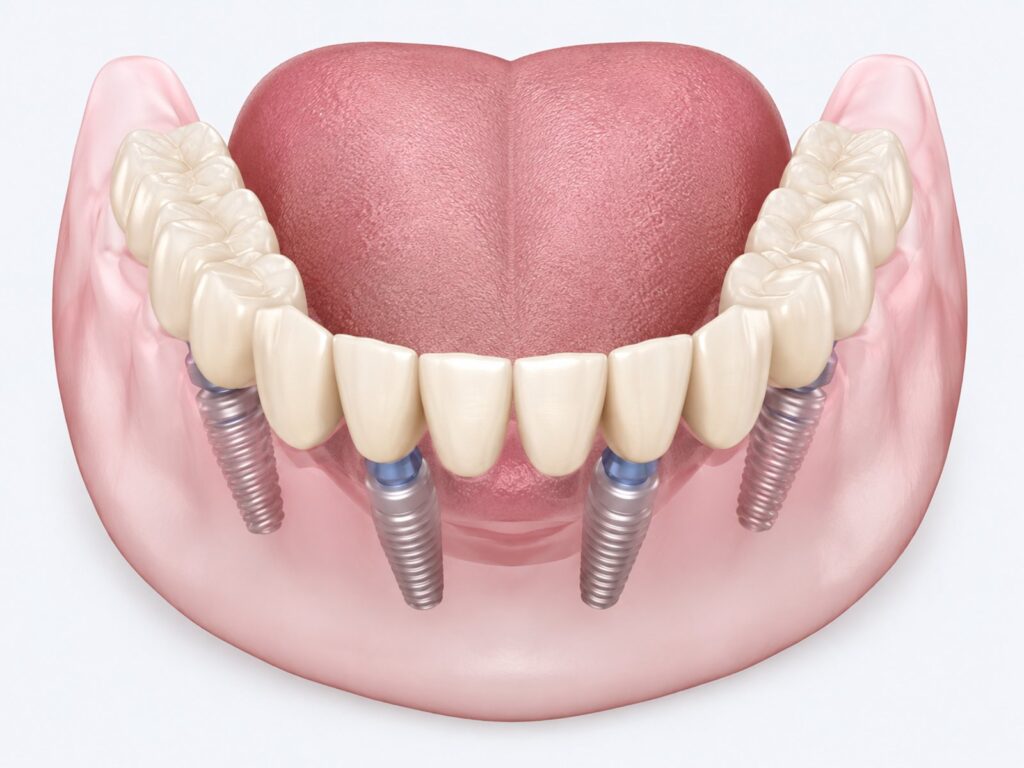
Treatment for full mouth rehabilitation is different for everyone. However, it often includes several steps. Common treatments are:
Usually, the process takes a few months. Your dentist will explain each step. Because every case is unique, your plan will fit your needs. If you search for a “dentist near me for full mouth rehab,” you can find local experts.
Benefits and Risks of Full Mouth Rehabilitation
Full mouth rehabilitation offers many benefits. For example, it can:
However, there are some risks. These may include:
Still, most people feel the benefits are worth it. According to the American Dental Association, proper planning lowers risks and improves results.
Prevention and Oral Health Maintenance Tips
Even after full mouth rehabilitation, good care is important. To keep your mouth healthy, try these tips:
Because prevention is easier than treatment, these habits can help you avoid future dental problems.
In summary, full mouth rehabilitation can restore your smile and health. If you have dental problems, do not wait. Consult a qualified dentist at Manu Multispeciality Dental Care for personalized advice on full mouth rehabilitation.